The Science of Workout Variety: 5 Reasons Doing Something Different Helps You Stay Consistent
Short answer: Yes, workout variety helps you stay consistent. Research links varied training to better exercise adherence, mostly because it fights the boredom that makes people quit. Mixing up how you train (different machines, formats, and intensities) keeps you mentally engaged and physically progressing, so the habit actually sticks.
Here is the part nobody tells you: if you have quit a workout routine before, it was probably not a willpower problem. Most fitness equipment is engineered to be boring, while the phone in your pocket is engineered to be irresistible. You were never in a fair fight. The good news is that the same science that explains why you quit also points to a fix, and it is not "try harder." It is variety.
In this article
- Does workout variety really help you stay consistent?
- Why most people quit (and why it is not willpower)
- 5 science-backed reasons variety keeps you consistent
- But isn't consistency more important than variety?
- How to get variety without buying five machines
- Frequently asked questions
Does workout variety really help you stay consistent?
It does, and the effect is bigger than most people expect. Boredom is one of the most reliable predictors of dropping out of a fitness program, and variety is the direct antidote. When researchers compare high-variety and low-variety programs, the high-variety groups tend to stick with it longer, and the effect is driven by how much variety people feel they are getting, not just what is on paper.
The chain is simple: people repeat what they enjoy, variety increases enjoyment, enjoyment increases adherence, and adherence is what creates results. A recent 2024 study found that adding structured variety to a routine improved motivation, self-efficacy, and how positively people felt about exercise, and they reported feeling more autonomous and confident too. Novelty is also doing something in your brain. New challenges nudge the dopamine system that drives learning and reward, which is a big reason a fresh workout feels more engaging than the fiftieth identical session.
Why most people quit (and why it is not willpower)
Roughly half of new gym members quit within six months, and a large share of memberships go essentially unused. Home equipment tells the same story. The rower, the bike, or the treadmill arrives with big plans attached, and by month two it has quietly become an expensive clothes rack. That moment has a name: the motivation cliff.
The cliff is not a character flaw. It is what happens when repetitive equipment collides with a brain that craves novelty. Do the same 20 minutes of steady cardio every day and your body adapts, the challenge fades, and your mind checks out. This is where variety stops being a "nice to have" and becomes the thing that keeps you showing up. It is also why Aviron built game psychology into the machine itself, and why 92% of Aviron members are still working out a year later, a number that looks almost impossible next to those industry dropout rates.
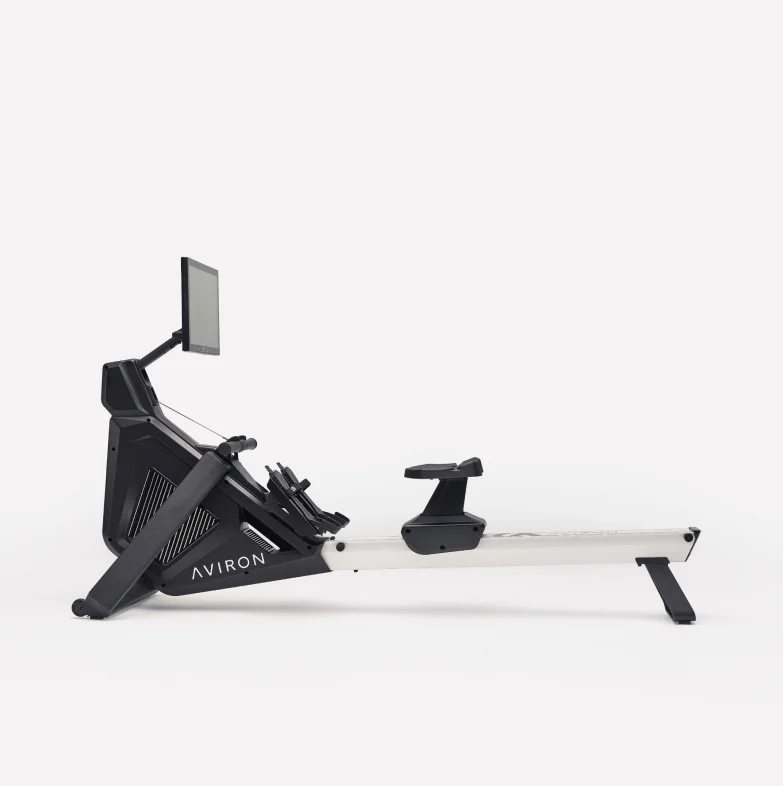
Full-body, low-impact rowing with 1,000+ games, classes, and scenic routes so no two sessions feel the same.
5 science-backed reasons variety keeps you consistent
1. It kills boredom, the number one reason people quit
Boredom is not a minor annoyance. It is a leading driver of dropout. Variety keeps the experience novel, and novelty keeps your brain's reward system switched on. That is the difference between "I have to work out" and "I get to play the next level."
2. It breaks plateaus so you keep seeing results
Your body follows the SAID principle: Specific Adaptation to Imposed Demands. Do the same thing and you adapt to exactly that thing, then progress stalls. Changing the movement, tempo, or intensity is a form of progressive overload. In fact, groups that varied their training have made greater gains in muscle size and strength than those who repeated an identical plan. Results keep coming, and visible results are rocket fuel for consistency.
3. It protects you from overuse injuries
Repeating the same movement pattern loads the same joints and tissues over and over, which is how overuse injuries start. Cross-training spreads the load across different muscle groups and planes of motion. Fewer tweaks and flare-ups means fewer forced breaks, and nothing wrecks a streak like being sidelined. For more ideas, see our guide to the best low-impact exercises to add to your routine.
4. It turns exercise into something you actually enjoy
Enjoyment is not fluff. It is the single best predictor of whether you will still be training months from now. Varied routines score higher on enjoyment, autonomy, and self-efficacy, the belief that you can actually do this. When a workout feels like a choice instead of a chore, you stop needing to hunt for motivation every single day.
5. It flexes to real life
Some days you have 40 minutes and energy to burn. Some days you have 12 minutes and a toddler. Variety lets you match the workout to the day: a hard interval session when you are fired up, an easy scenic row or walk when you are wiped. A routine that bends to your life is a routine you keep, and this is exactly why so many people ask how to make workouts less boring in the first place.
| What to vary | What it changes | Easy example |
|---|---|---|
| The machine | Which muscles and joints do the work | Row Monday, ride Wednesday, walk Friday |
| The format | Mental engagement and pacing | Game one day, coached class the next, scenic route after that |
| The intensity | The training stimulus and recovery | Hard intervals, then an easy steady session |
| The duration | How the workout fits your day | 12 minutes when busy, 40 when you are not |
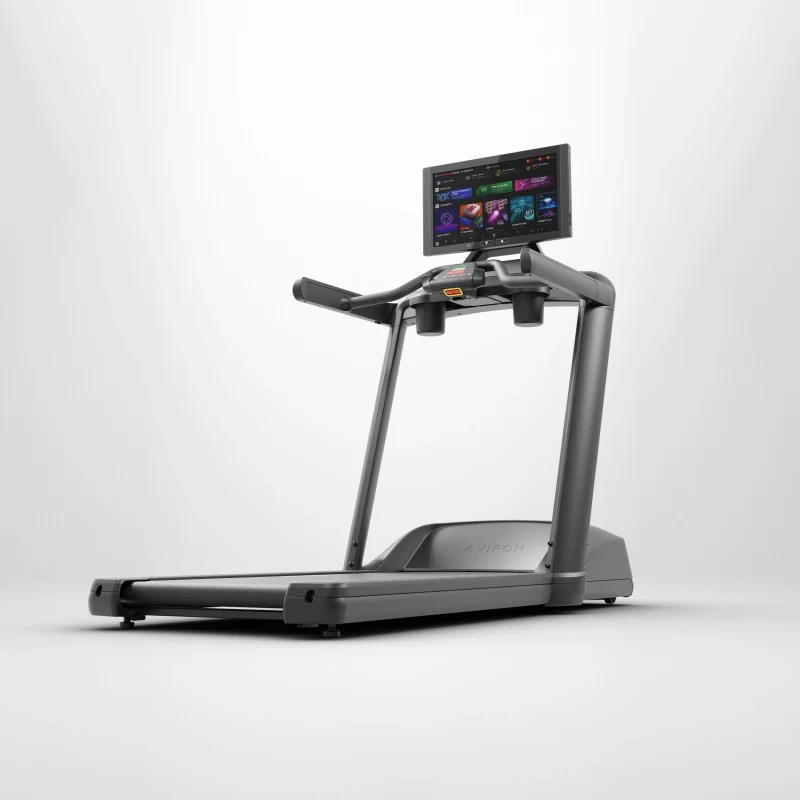
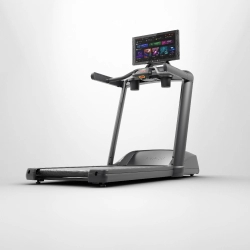
Incline walks, interval runs, coached classes, and games on one screen, so cardio never turns into a chore.
But isn't consistency more important than variety?
This is the right question, and the answer is that they are not rivals. Consistency is the goal. Variety is one of the best tools for reaching it. The mistake is thinking you must choose. You do not.
It is also worth busting a myth here. "Muscle confusion," the idea that constantly shuffling exercises keeps your muscles guessing, is mostly marketing. Muscles do not get confused. Structured progression and steady practice are the real drivers of results. Randomly changing everything every single day can actually slow you down, because your body never gets to adapt to anything. The sweet spot is a stable framework with planned variety inside it. As a rough guide:
| Experience level | Change the core plan every... | But add small variety... |
|---|---|---|
| Beginner | 6 to 12 weeks | Session to session (format, game, route) |
| Intermediate | 4 to 6 weeks | Weekly (intensity and duration) |
| Advanced | 3 to 4 weeks | Within each session (intervals, targets) |
In other words, keep the skeleton steady and let the day-to-day workouts stay fresh. That is variety in service of consistency, not against it.
How to get variety without buying five machines
Here is the practical problem: real variety usually means a gym full of equipment or a closet full of gadgets you will not use. That is expensive, and it reintroduces the friction that made you quit last time. The fix is to put the variety inside the machine instead of across a room full of them.
That is the entire idea behind Aviron. Every machine runs the same Engagement Engine: 1,000+ workouts spanning science-backed games, coached classes, streaming, scenic virtual routes, and multiplayer competition, plus 300+ Les Mills workouts. One rower can be a boat race on Monday, a HIIT class on Wednesday, and a calm scenic paddle on Sunday. That is more genuine variety than most people ever get from a gym, without leaving your living room. It is also why fitness entertainment actually works where willpower alone does not.
Then there is variety across the whole lineup. Rowing, cycling, and running each bring a different stimulus, so choosing your modality by the day is variety at the highest level. Add the Abs Hero for core-focused sessions and you can cover cardio, strength, and recovery from home.
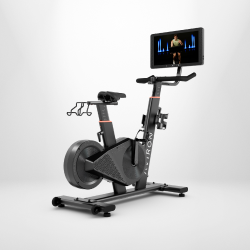
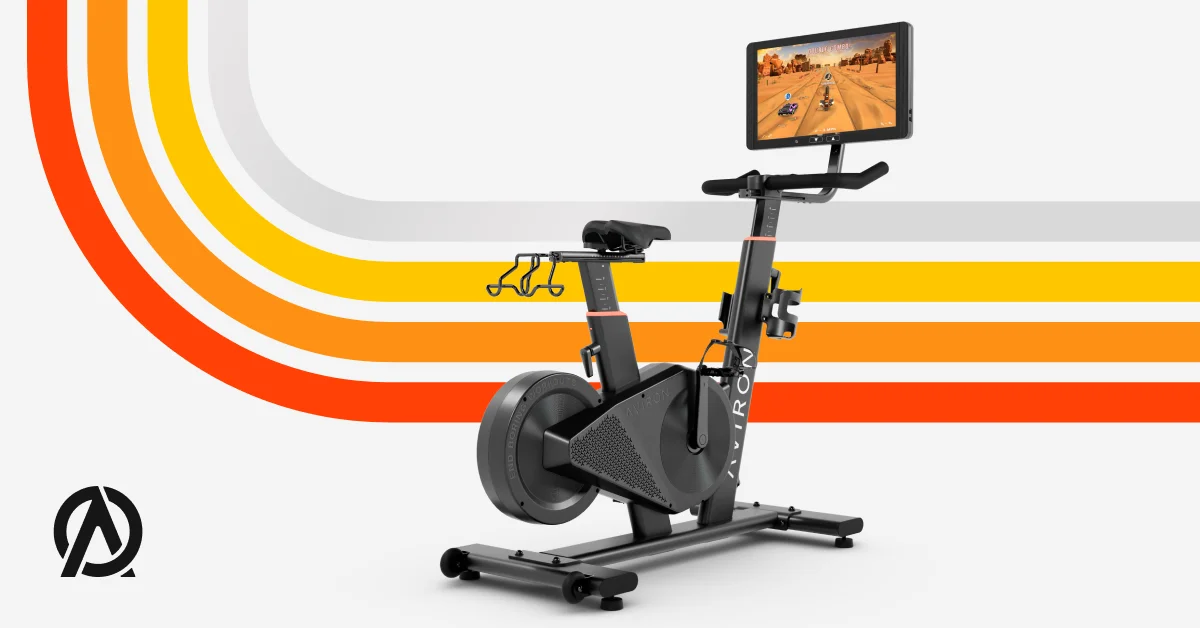
Game-powered cycling with classes, scenic rides, and leaderboards to keep every session different.
The proof it works: 50,000+ members, 4,000,000+ workouts completed, an average rating of 4.8 to 4.9 stars, and 92% of members still training a year later. That is what happens when variety is built in, not bolted on.
Frequently asked questions
How often should I change my workout routine?
Change the core structure of your plan every 4 to 6 weeks for most people. Beginners can wait 6 to 12 weeks to build a foundation, and advanced exercisers may switch every 3 to 4 weeks. Keep smaller variety (formats, games, intensity) going in every session so it never gets stale.
Is workout variety the same as muscle confusion?
No. "Muscle confusion" is a marketing term, and muscles do not actually get confused. Real workout variety is about training different muscles and movement patterns, staying mentally engaged, and applying progressive overload. The benefits are real; the "confusion" branding is not.
Can too much variety hurt your progress?
Yes. If you change everything every day, your body never adapts to anything, and progress stalls. The sweet spot is a stable plan with planned variety inside it: same weekly framework, different workouts within it.
Does workout variety help beginners or only advanced exercisers?
It helps beginners most of all, because beginners are the ones most likely to quit. For a new exerciser, keeping the routine enjoyable and engaging matters more than optimizing every set. Variety is what gets you to the consistency where results are built.
What is the easiest way to add variety at home?
Change one variable at a time: the format, the intensity, or the length. A machine with built-in games, classes, and scenic routes does this for you automatically, which is the whole point of Aviron's game-powered workouts. If you want a deeper fix for boredom, see how to prevent workout boredom.
Make boredom impossible
Try any Aviron machine at home. If the variety does not keep you coming back, send it back.
Start your 30-day risk-free trial →30-day risk-free home trial · 0% APR financing available · HSA/FSA eligible · free shipping


