Low-Impact Does Not Mean Low-Intensity: 6 Myths About Easy Cardio
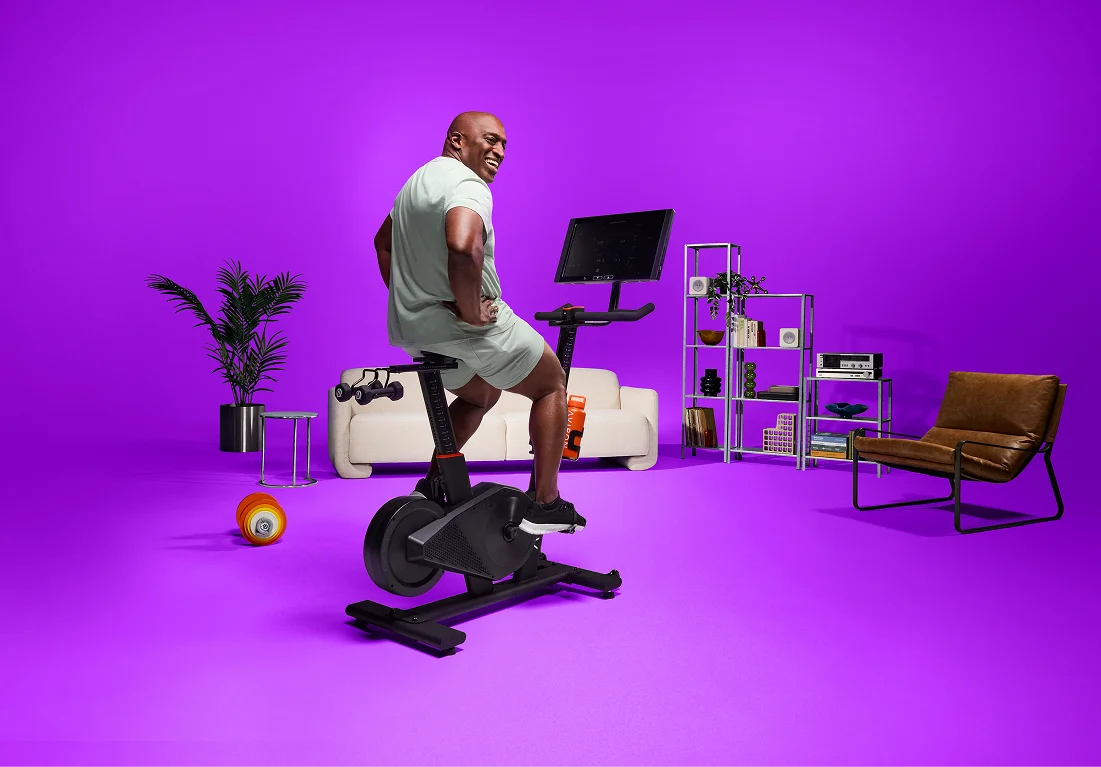
Short answer: No. Impact and intensity are two different dials. Impact is the force your joints absorb when your body hits the ground. Intensity is how hard your heart, lungs, and muscles are working. You can turn one all the way down without touching the other. That is why a seated cyclist can hold a heart rate at 90 percent of max while absorbing a fraction of the joint load of a jog. "Low impact" describes what your knees feel. It tells you nothing about how hard the workout is.
If you have ever finished a low-impact session and quietly felt like you cheated, that guilt was sold to you. A decade of boot camp marketing taught us that a workout only counts if you are airborne, soaked, and slightly injured. It is a great way to sell classes. It is a terrible way to build a habit you actually keep. Here are the six myths worth throwing out, and what really happens when you take the impact out and leave the intensity in.
In this article
- What is the difference between impact and intensity?
- Myth 1: Low impact means low intensity
- Myth 2: If you are not jumping, you are not working hard
- Myth 3: Low impact burns fewer calories
- Myth 4: Low impact is only for seniors and injuries
- Myth 5: Low impact will not improve your fitness
- Myth 6: Low impact means long, slow, and boring
- What does a low impact HIIT workout look like?
- FAQ
What is the difference between impact and intensity?
Impact is mechanical. It is the ground reaction force that travels up through your ankles, knees, hips, and spine every time your foot lands. Sensors implanted in actual knee replacements measured peak knee compression during ergometer cycling at about 1.2 times body weight at a moderate 120 watts, rising steadily as power goes up (Journal of Orthopaedic & Sports Physical Therapy). Gait studies routinely put walking above twice body weight at the knee, with running higher still, and every stride arrives as a spike rather than a smooth wave.
Intensity is physiological. It is measured by heart rate, power output in watts, and your rating of perceived exertion. It has nothing to do with whether you leave the ground. A cyclist grinding up a virtual climb and a runner doing hill sprints can sit in the exact same heart rate zone. One of them is absorbing thousands of impact spikes. The other is not.
Those two dials move independently. Once you see that, five of the next six myths fall over on their own.
Myth 1: Low impact means low intensity
The truth: The two words are not even describing the same thing, so one cannot imply the other. Low impact is a property of the movement pattern. Intensity is a property of the effort you choose to put into it.
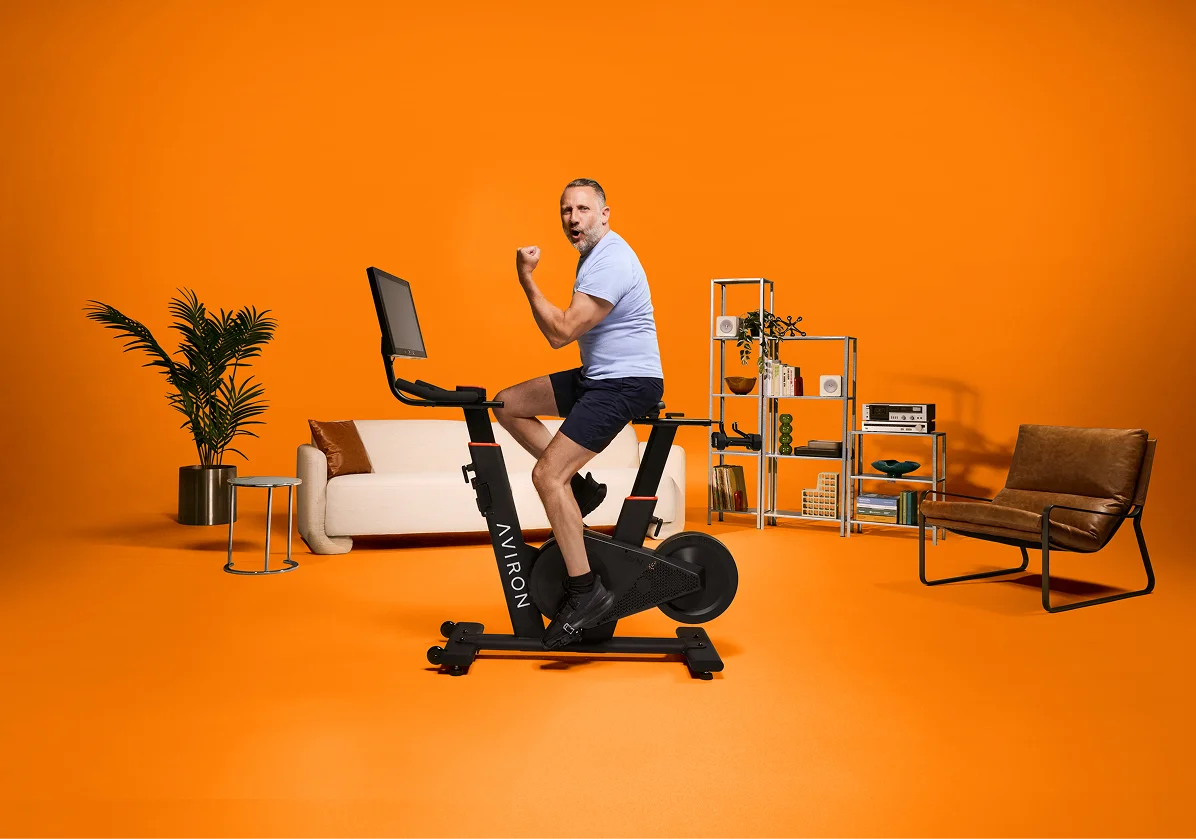
Why the myth sticks: Most people's only reference point for low impact is a gentle recumbent bike in a hotel gym, set to whatever resistance the last guest left it on. That is not low impact being easy. That is a resistance setting being easy. Give the same machine 160 resistance levels topping out at 1,500 watts of output, which is what the Fit Bike S offers, and "low impact" starts to look very different. Nobody is coasting at level 140.
Myth 2: If you are not jumping, you are not working hard
The truth: Intensity is something you measure, not something you feel in your joints. The standard markers are heart rate zones and perceived exertion. Zone 4, the classic hard interval zone, sits at about 80 to 90 percent of your maximum heart rate, or an 8 to 9 out of 10 on effort. You can reach it seated, with both feet fixed to a pedal, breathing like a freight train.
Why the myth sticks: Jumping produces sensation. Sore shins, thudding footfalls, and next-day stiffness all feel like proof of work. They are actually proof of impact. Those are different receipts, and only one of them correlates with getting fitter.
Myth 3: Low impact burns fewer calories
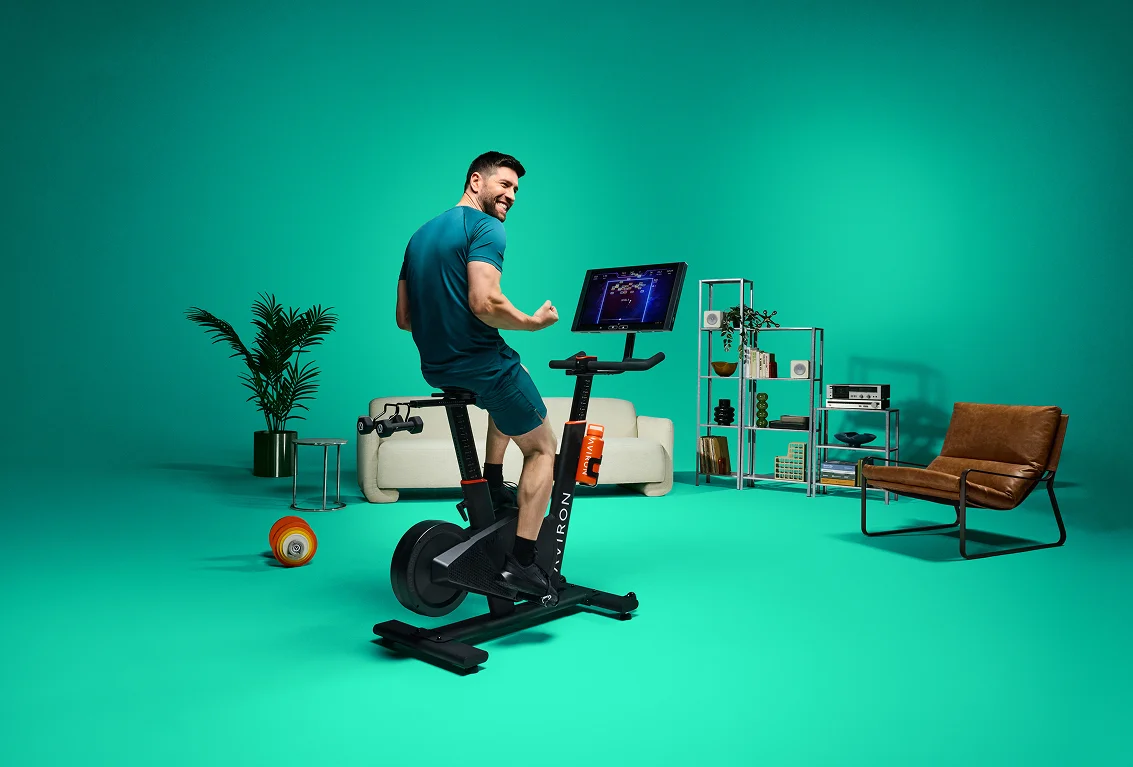
The truth: Calorie burn tracks how much work you do and for how long. Work is power multiplied by time. Impact is not in the equation anywhere. A hard 20-minute interval ride can comfortably out-burn a 30-minute easy jog, because you spent more of those minutes producing real power.
Why the myth sticks: Running feels more expensive because it is harder to do badly. It is difficult to jog lazily. It is very easy to pedal lazily. The machine will happily let you sit at level 12 and scroll your phone, and then the calorie number confirms your suspicion that cycling does not count. The variable was never the modality. It was the effort. For a fuller breakdown, see our guide to stationary bike benefits.
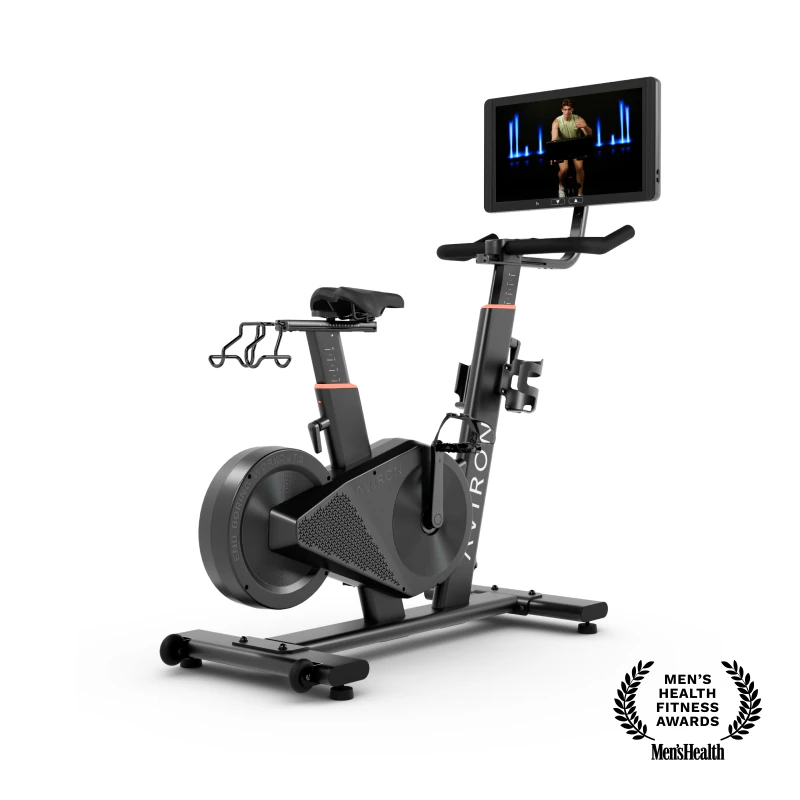
Instant electromagnetic resistance across 160 levels and up to 1,500 watts, on a frame with a wider pedal stance that is kinder to your hips and knees.
Myth 4: Low impact is only for seniors and injuries
The truth: Two of the fittest athlete populations on earth, rowers and track cyclists, train almost entirely without impact. Olympic track cycling produces some of the highest power outputs in sport, and the athletes' feet never leave the pedals. If low impact capped your ceiling, that would be impossible.
Why the myth sticks: Low impact gets prescribed for rehab, so people file it under "modified." But rehab uses it for the same reason athletes do: you can accumulate a lot of hard work without accumulating joint damage. That is not a downgrade, it is an advantage. Less impact means faster recovery, which means you can train hard again sooner, which is where fitness actually comes from.
Myth 5: Low impact will not improve your fitness
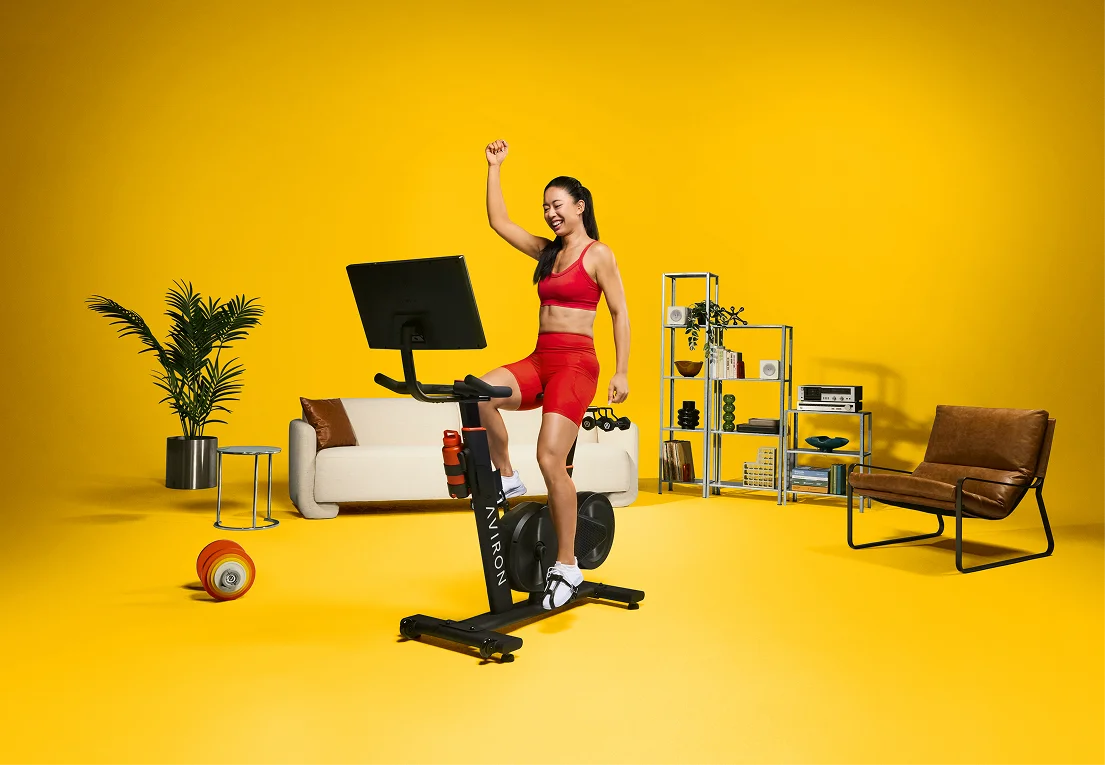
The truth: Cycling intervals raise VO2 max, the single best marker of cardiorespiratory fitness, and it happens faster than most people expect. In a six-week trial, 82 previously inactive adults riding a cycle ergometer three times a week improved VO2 peak by roughly 2.7 to 3.1 mL/kg/min depending on the interval format they used (six-week cycle ergometer trial). A separate meta-analysis of 13 sprint-interval studies found VO2 max gains ranging from 4.2 to 13.4 percent (Sloth et al., 2013). Three short bike sessions a week, zero impact, measurable aerobic fitness.
Why the myth sticks: Because most people's low-impact sessions are genuinely too easy, and they conclude the category is the problem. It is not. The protocol is. Add structured intervals and the adaptation shows up on schedule.
Myth 6: Low impact means long, slow, and boring
The truth: Nothing about removing impact requires you to go long and slow. That pairing is a habit, not a rule. Twenty minutes of intervals is a complete low-impact session.
Why the myth sticks: This is the only myth on the list with something real behind it. Most low-impact machines are boring, and boring is the actual reason home equipment turns into a clothes rack by month two. But that was never your willpower failing. The equipment was engineered boring while the phone in your pocket was engineered to be irresistible. You were not in a fair fight.
Fix the boredom and the intensity takes care of itself, because you stop negotiating with yourself about whether to start. That is the whole reason Aviron builds game psychology into the machine rather than bolting a screen onto it, and it is why 92 percent of Aviron members are still working out a year later. If you want more options, our roundup of the best low-impact exercises covers the wider menu.
What does a low impact HIIT workout look like?
Here is a 20-minute low-impact HIIT workout you can run on any resistance bike. Resistance levels are given on the Fit Bike S scale of 1 to 160, so scale them to whatever your machine uses. Treat the numbers as a starting point and adjust to your own fitness.
| Block | Time | Resistance | Effort (RPE) | Heart rate zone |
|---|---|---|---|---|
| Warm-up | 0:00 to 3:00 | Levels 20 to 40 | 3 of 10 | Zone 1 to 2 |
| Interval (x5) | 1:00 each | Levels 90 to 120 | 8 to 9 of 10 | Zone 4 |
| Recovery (x5) | 1:30 each | Levels 20 to 40 | 3 of 10 | Zone 2 |
| Cool-down | 15:30 to 20:00 | Levels 15 to 30 | 2 of 10 | Zone 1 |
Two rules make or break it. First, the hard minute has to be genuinely hard, meaning you could not hold a conversation. Second, the easy 90 seconds has to be genuinely easy, or interval three onward turns into a slow grind at moderate effort, which is the worst of both worlds. New to this? Start with three intervals instead of five and build up, or follow our stationary bike workout for beginners first.
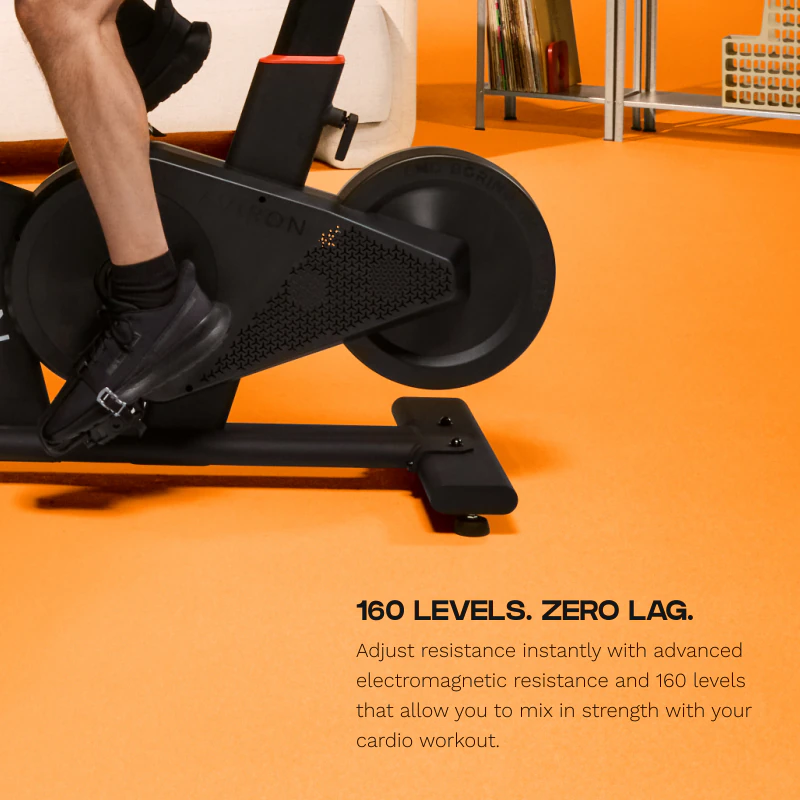
Resistance changes the instant you tap, so intervals start on time instead of while you fumble with a knob. Over 1,000 games, classes, and scenic rides handle the boredom. Runs at about 60 decibels, roughly the sound of rain.
"I'm a disabled vet, and this is the only machine I can use easily for my exercises."
"After a month my fitness improved, and even my outdoor riding got better."
Frequently asked questions
What does high intensity low impact mean?
It means the workout keeps your heart rate high while keeping force off your joints. High intensity refers to effort, usually 80 to 90 percent of maximum heart rate. Low impact refers to mechanics, meaning no hard landings or ground contact. Cycling, rowing, and swimming all qualify.
Are low impact workouts effective?
Yes. Effectiveness depends on intensity and consistency, not impact. In one six-week trial, previously inactive adults doing cycling intervals three times a week made significant gains in VO2 peak, and low-impact training lets you repeat hard sessions more often because you recover faster. The main risk is not the category, it is doing it too easily.
Is cycling low impact?
Yes. Your feet stay on the pedals through a smooth, fixed arc, so there is no ground reaction force and no landing to absorb. Implanted-sensor measurements put peak knee compression during ergometer cycling at about 1.2 times body weight at a moderate 120 watts, whereas walking typically exceeds twice body weight at the knee and running goes higher again.
Is cycling bad for your knees?
For most people it is one of the gentler options, and it is frequently used in knee rehab. Discomfort usually traces back to setup rather than cycling itself: a saddle too low, or grinding a very heavy resistance at low cadence. Raise the saddle so your knee stays slightly bent at the bottom of the stroke, and keep cadence up. A wider pedal stance, like the one on the Fit Bike S, also lets your legs track more naturally.
How do I know my low impact workout is high intensity?
Use a number, not a feeling. During a hard interval you should be at 80 to 90 percent of max heart rate, or an 8 to 9 out of 10 on perceived effort, and unable to speak in full sentences. If you can comfortably hold a conversation, add resistance.
Easy on your joints. Brutal on your excuses.
Try the Fit Bike S at home for 30 days. Run the interval workout above, see what 160 resistance levels actually feel like, and decide from there.
Start your risk-free trial →30-day risk-free home trial · Free shipping · 0% APR financing via Affirm · HSA/FSA eligible


